
Animal Health Topics
Article 1
Why Is My Dog Itchy? Common Causes of Itchy Skin in Dogs
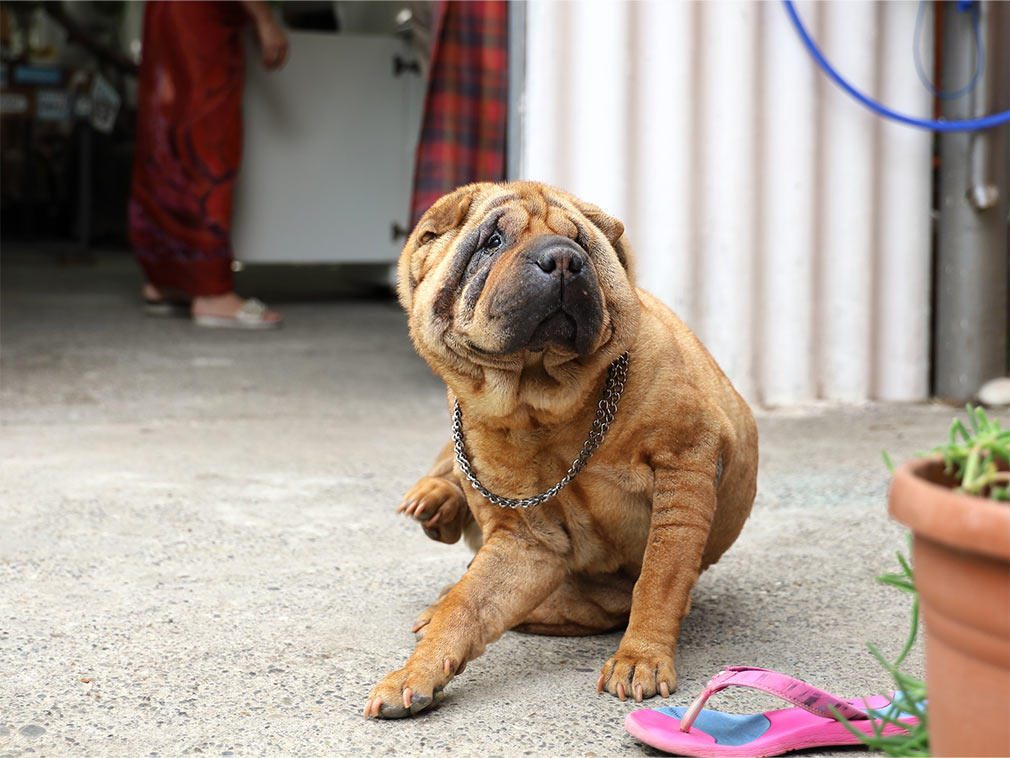
Itchy skin is one of the most common reasons dogs visit the veterinarian. While occasional scratching is normal, persistent itching, licking, chewing, or rubbing can indicate an underlying health issue that requires attention.
One of the most common causes of itchy skin in dogs is allergies. Dogs can develop allergies to environmental factors such as pollen, grass, dust mites, or mould. Some dogs may also suffer from food allergies, with ingredients such as beef, chicken, dairy, or wheat triggering skin irritation and discomfort.
Fleas and other parasites are another frequent cause of itching. Even a single flea bite can cause intense irritation in dogs that are sensitive to flea saliva. Mites, ticks, and other skin parasites can also lead to itching, redness, and hair loss.
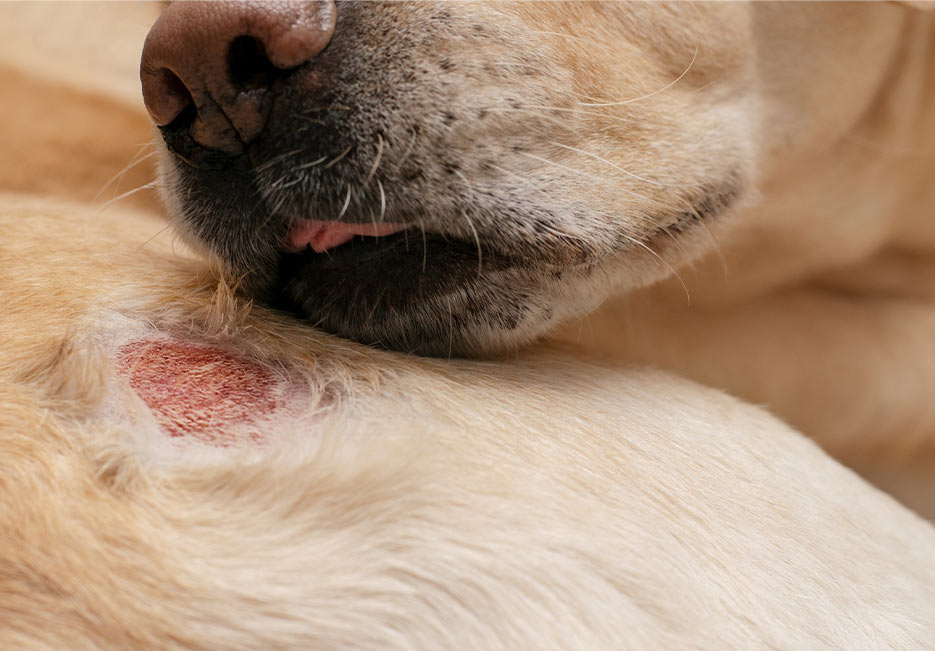
Skin infections can develop when the skin’s natural barrier becomes damaged. Bacterial and fungal infections often occur alongside allergies and may cause redness, odour, scaly skin, or excessive scratching.

Some dogs experience itchy skin due to dry skin,
which can be caused by low humidity, frequent bathing, poor nutrition, or underlying health conditions. Dry skin may appear flaky and can make dogs uncomfortable.
Less commonly, hormonal disorders, autoimmune conditions, or chronic diseases can contribute to skin problems and itching.
If your dog is scratching excessively, losing fur, developing red or inflamed skin, or showing signs of discomfort, it’s important to seek veterinary advice. Early diagnosis and treatment can help relieve your dog’s symptoms and prevent more serious skin problems from developing.
At Pet Health Plus, we offer a range of veterinary-approved treatments, prescription medications, and skin care products to help keep your pet comfortable and healthy.
Article 2
Summer and Itchy Skin: Why Humid Climates Can Cause Itchy Skin
1. Increased Allergens
Warm, humid environments often have higher levels of pollen, mould, and dust mites. Dogs with environmental allergies may become itchy when exposed to these allergens.
2. Yeast Overgrowth
Yeast naturally lives on a dog’s skin, but humid conditions can encourage excessive growth. Yeast infections commonly affect the ears, paws, armpits, and skin folds, causing itching, redness, and a distinctive musty odour.
3. Bacterial Skin Infections
Moisture trapped against the skin can promote bacterial growth. Dogs that swim frequently or remain damp after bathing may be more susceptible to skin infections that cause itching and irritation.
4. Fleas and Parasites
Fleas thrive in warm, humid conditions. Even a small number of fleas can trigger severe itching, particularly in dogs with flea allergy dermatitis.
5. Hot Spots
Hot spots are moist, inflamed areas of skin that can develop rapidly in humid weather. They are often triggered by allergies, insect bites, or excessive licking and scratching.
Signs Your Dog May Have a Humidity-Related Skin Problem
- Frequent scratching or licking
- Chewing at paws
- Red or inflamed skin
- Hair loss
- Skin odour
- Ear infections
- Moist or crusty patches on the skin
How to Help
- Keep your dog on regular flea prevention.
- Dry your dog thoroughly after swimming or bathing.
- Regularly clean and dry skin folds and ears.
- Feed a balanced diet that supports skin health.
- Consult your veterinarian if itching persists or worsens.
For pet owners living in tropical and subtropical regions such as south east Queensland, Northern Territory, or other humid parts of Australia, skin allergies, yeast infections, and flea-related itchiness are among the most common reasons dogs require veterinary treatment. Early management can help prevent discomfort and more serious (and costly!) skin problems from developing.
Article 1
Recognising and Managing Anxiety in Cats
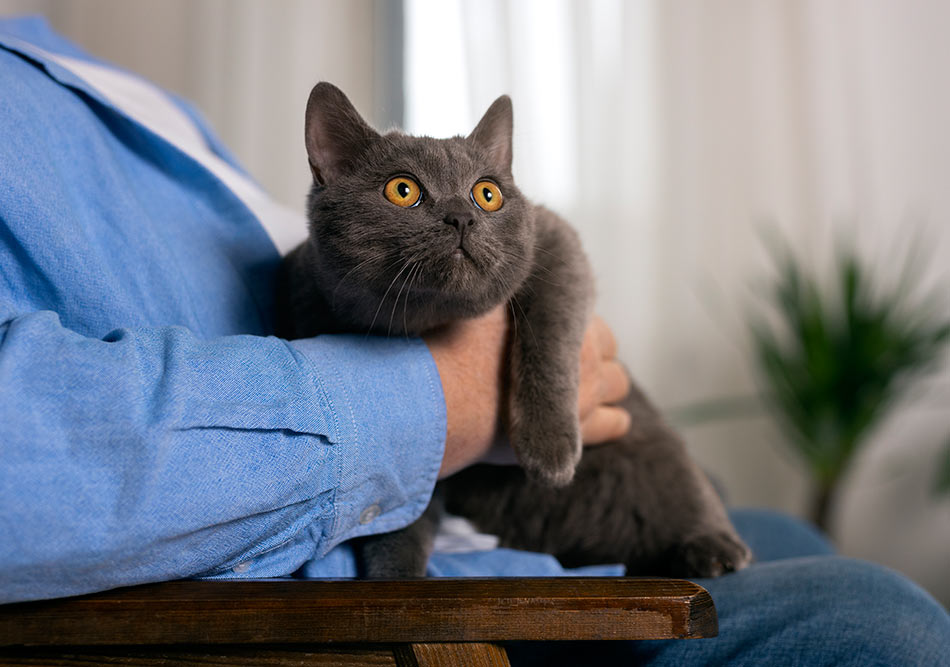
Cats can experience anxiety for many reasons, including changes in their environment, loud noises, unfamiliar people or pets, travel, separation from their owners, or underlying medical conditions. Recognising the signs early can help reduce stress and improve your cat’s wellbeing.
Recognising Common Signs of Anxiety in Cats
- Hiding more than usual
- Excessive grooming or hair loss
- Changes in appetite
- Aggression or irritability
- Inappropriate urination or spraying
- Excessive vocalisation
- Restlessness or pacing
- Destructive behaviour
Tips for Managing Anxiety in Cats
Create a Safe Environment
Cats feel more secure when they have predictable routines and quiet spaces. Provide:
- A comfortable hiding spot
- Elevated perches or cat trees
- Consistent feeding times
- A quiet area away from household activity
Maintain a Consistent Routine
Cats thrive on routine. Try to keep feeding, playtime, and bedtime schedules consistent, especially during periods of change.
Provide Mental and Physical Enrichment
Boredom can contribute to anxiety. Encourage natural behaviours through:
- Interactive toys
- Puzzle feeders
- Scratching posts
- Regular play sessions
- Window perches for bird watching
Use Pheromone Products
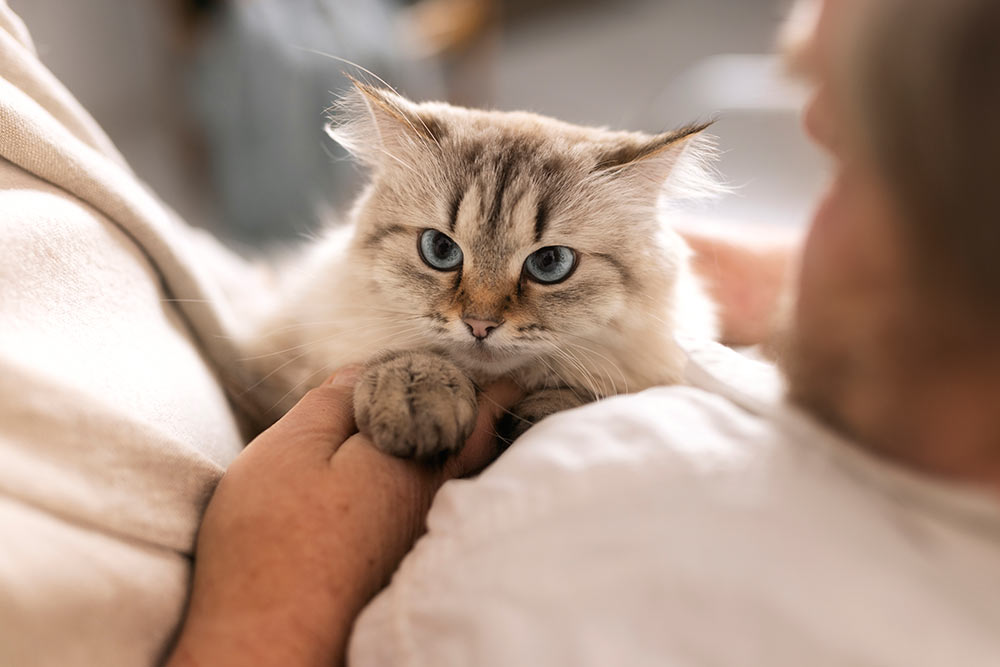
Synthetic feline pheromone diffusers and sprays can help create a calming environment and may reduce stress-related behaviours in some cats.
Introduce Changes Gradually
When moving house, introducing a new pet, or changing routines, make adjustments slowly to give your cat time to adapt.
Ensure Adequate Resources
In multi-cat households, provide multiple:
- Food and water stations
- Litter trays
- Sleeping areas
- Scratching posts
As competition for resources amongst several cats can increase stress and anxiety.
Consider Supplements or Medications
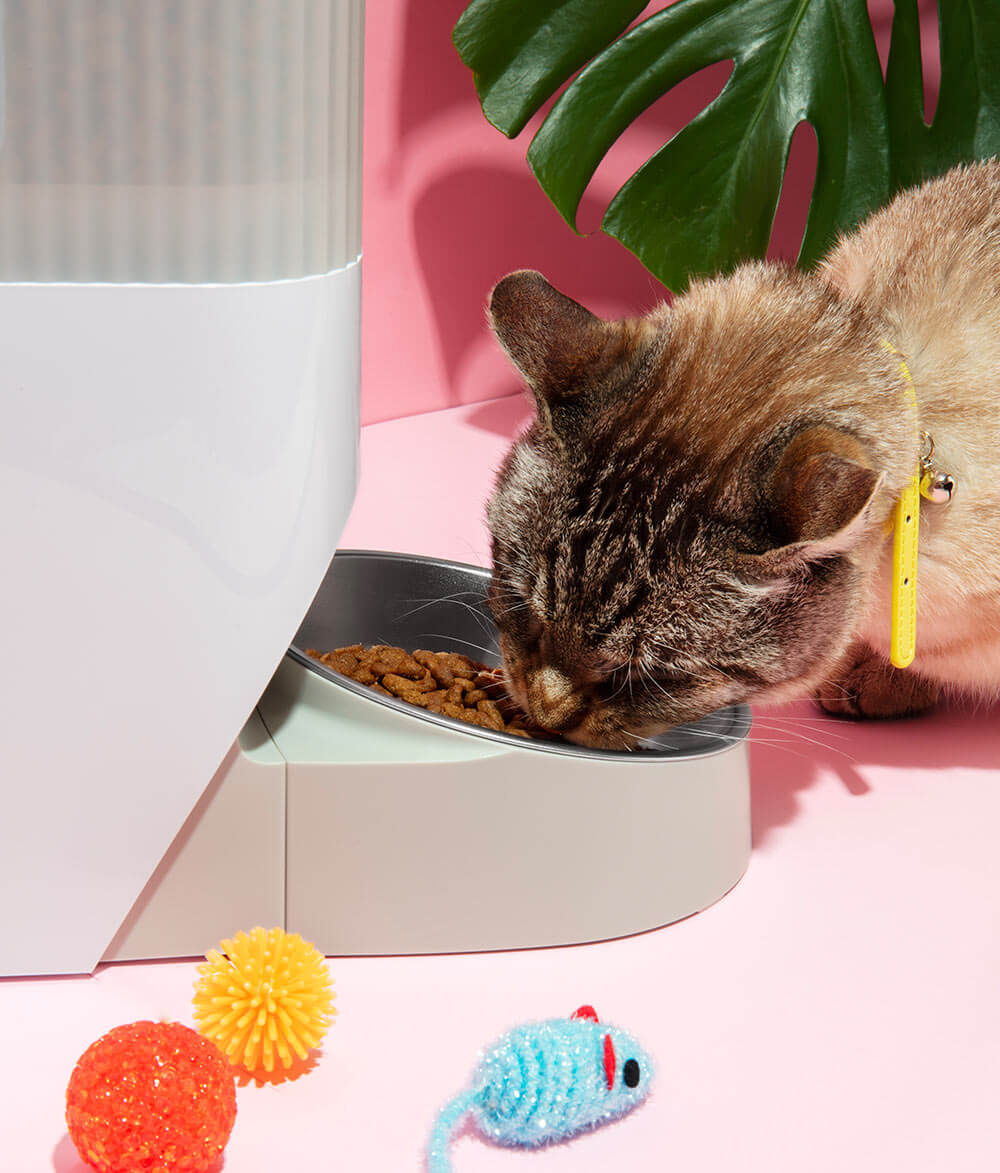
Some cats benefit from calming supplements or veterinary-prescribed medications. These should always be discussed with your veterinarian to ensure they are appropriate for your pet.
When to See a Veterinarian
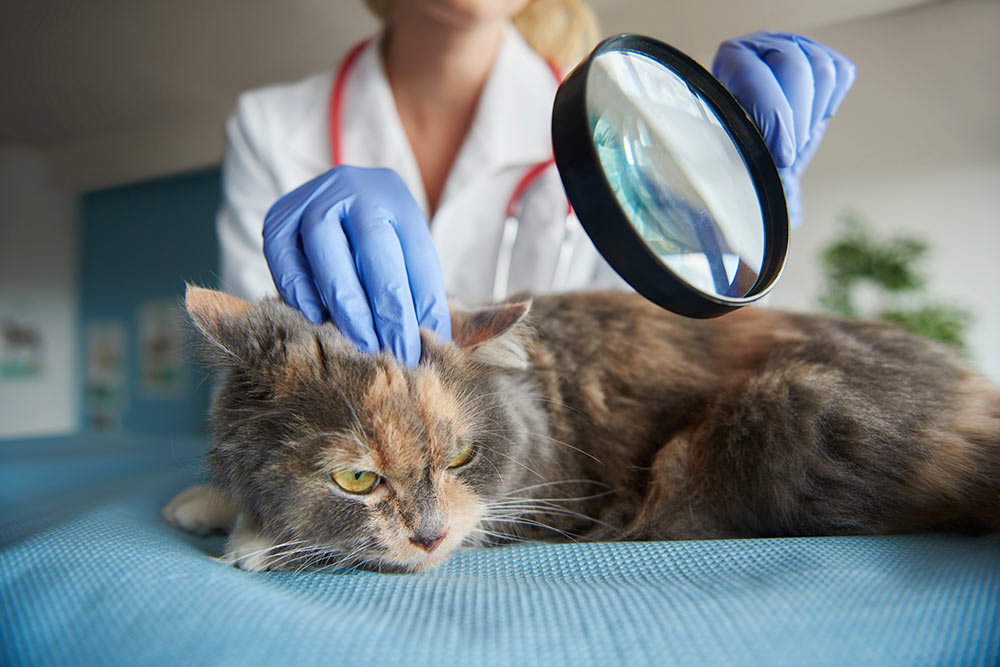
If your cat’s anxiety is severe, persistent, or suddenly develops, a veterinary examination is recommended. Medical conditions such as pain, hyperthyroidism, urinary tract disease, and cognitive dysfunction can sometimes mimic anxiety symptoms.
With patience, a stable environment, and appropriate support, most anxious cats can become more relaxed and comfortable. If you’re concerned about your cat’s behaviour, seeking veterinary advice is the best first step toward helping them feel safe and secure.
Article 1
How to Treat and Manage Joint Pain in Dogs
Joint pain is a common problem in dogs, particularly as they age. Conditions such as osteoarthritis, hip dysplasia, elbow dysplasia, and previous injuries can cause discomfort, stiffness, and reduced mobility. While joint disease cannot always be cured, there are many ways to help manage your dog’s pain and improve their quality of life.
Common Signs of Joint Pain in Dogs include:
- Difficulty getting up after resting
- Stiffness, especially in the morning
- Limping or favouring a leg
- Reluctance to jump, climb stairs, or exercise
- Slower walks or reduced activity
- Changes in behaviour or irritability
- Excessive licking of joints
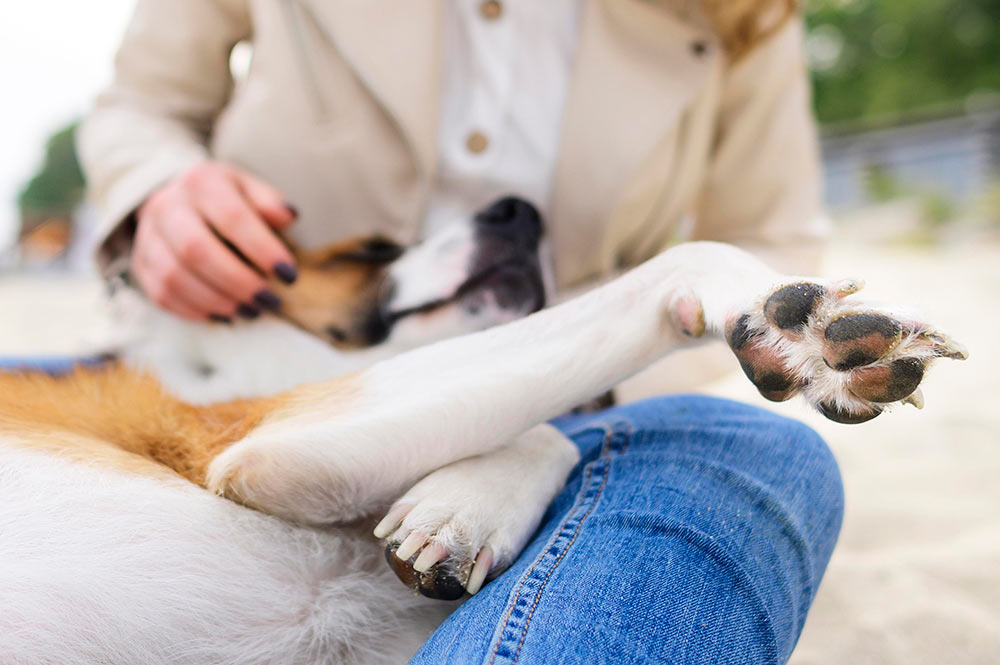
If your dog is showing any of these signs, consult your veterinarian for a proper diagnosis and treatment plan.
Tips to Manage and Reduce Joint Pain in Dogs
Maintain a Healthy Weight
One of the most effective ways to reduce joint pain is to keep your dog at a healthy weight. Excess weight places additional stress on joints, accelerating wear and tear and worsening arthritis symptoms.
Regular, Gentle Exercise
Exercise helps maintain muscle strength and joint flexibility. Low-impact activities are often best, including:
- Short daily walks
- Swimming or hydrotherapy
- Gentle play sessions
- Controlled exercise on soft surfaces
Avoid intense exercise that may place excessive strain on painful joints.
Joint Supplements
Many dogs benefit from supplements that support joint health. Common ingredients include:
- Glucosamine
- Chondroitin
- Omega-3 fatty acids
- Green-lipped mussel
- MSM (Methylsulfonylmethane)
These supplements may help support cartilage health and reduce inflammation over time.
Veterinary Medications
For dogs with moderate to severe joint pain, your veterinarian may prescribe medications to help manage discomfort and inflammation. These treatments can significantly improve mobility and quality of life when used appropriately under veterinary supervision.

Provide a Comfortable Home Environment
Simple changes around the home can make a big difference:
- Provide a supportive orthopedic bed
- Use non-slip mats on slippery floors
- Install ramps for cars, beds, or stairs
- Keep food, water, and sleeping areas easily accessible
Physical Therapy and Rehabilitation
Veterinary physiotherapy, massage, hydrotherapy, and rehabilitation programs can help improve strength, flexibility, and comfort for dogs with chronic joint conditions.
Regular Veterinary Check-Ups
Joint disease often progresses gradually. Regular veterinary assessments allow treatment plans to be adjusted as your dog’s needs change and help ensure the best possible long-term outcome.
Helping Your Dog Stay Active and Comfortable
While joint pain is common, it doesn’t have to prevent your dog from enjoying life. A combination of weight management, appropriate exercise, joint support products, and veterinary care can help keep your dog comfortable, mobile, and happy for years to come.